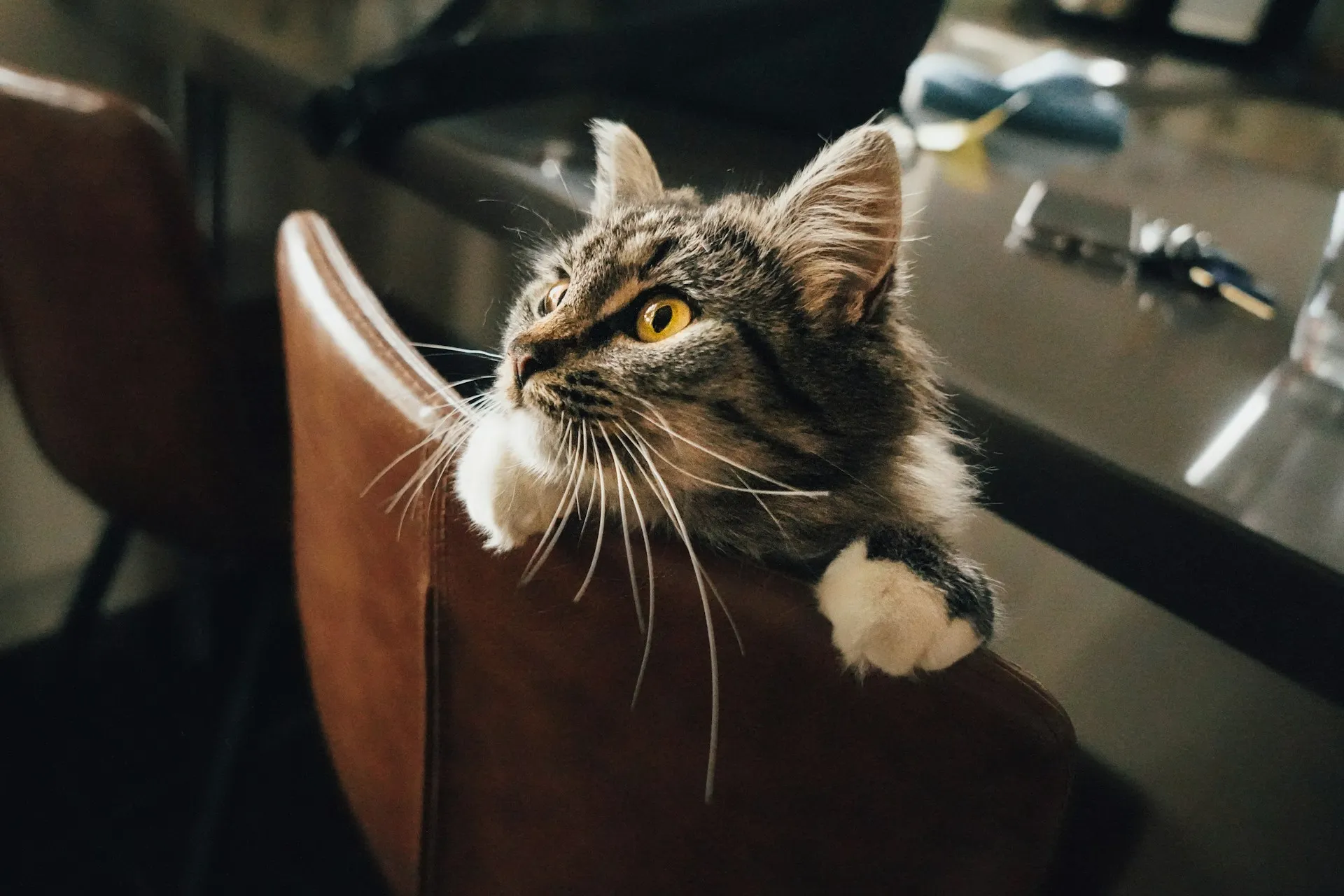

Have you ever noticed your feline friend slowing down, breathing a bit harder, or even seeming less playful than usual? At Ridgeview Animal Hospital, your Olathe, KS veterinary clinic, we often recognize and diagnose cat heart disease signs before they become serious. Knowing what to watch for can make all the difference in protecting your kitty’s long-term health.
Heart disease in cats is often called the silent threat, because Fluffy may not show obvious symptoms until the condition is advanced. As yWe, we want you to understand the early signs of feline heart disease, when to seek help, and how we can support your cat’s well-being through compassionate care.
Understanding Cat Heart Disease
Cat heart disease can take many forms, but the most common is hypertrophic cardiomyopathy (HCM). This condition causes thickening of the heart muscle, which makes it harder for the heart to pump blood effectively. Some cases may be genetic, while others are linked to age, weight, or underlying health conditions.
When you think about cat heart health tips, one of the most important is regular checkups at a trusted pet hospital. Your kitty may not show visible distress even as the disease progresses, which is why annual visits are vital. Typically, feline heart conditions are diagnosed through physical exams, blood tests, and echocardiograms.
Cornell University College of Veterinary Medicine covered feline heart disease in this piece. You can also read more about heart disease in cats at the PetMD site here.
Common Cat Heart Disease Signs to Watch
Spotting early signs of feline heart disease can be tricky. Cats often hide illness well, so subtle changes in behavior can be the biggest clues. Symptoms may include:
- Labored or rapid breathing
- Reduced appetite or weight loss
- Lethargy or reluctance to play
- Coughing or gagging
- Fainting or collapse
- Sudden hind leg weakness due to blood clots
- Restlessness at night or difficulty sleeping
If your feline companion shows any of these signs, contacting your animal hospital quickly is crucial. We can run diagnostics and provide guidance on the next steps for treatment.
Why Early Detection Matters
Recognizing cat heart disease signs early allows for more treatment options and better outcomes. Early diagnosis gives your kitty a stronger chance at a longer, healthier life.
Think of early detection as your cat’s safety net. Much like with people, catching cardiovascular disease before it progresses can make medical management easier and less stressful for your feline pal.
Risk Factors for Cat Heart Disease
Some cats may be more at risk than others for heart disease. Factors include:
- Breed predispositions: Maine Coon and Ragdoll cats are known to have a higher risk of developing HCM.
- Age: Middle-aged and senior cats are more likely to show signs, though it can occur in kittens too.
- Weight: Overweight or obese cats face higher strain on their cardiovascular systems.
- Other health conditions: Thyroid disease or high blood pressure can also increase the risk.
Understanding these risk factors can help you be more proactive about screening.
How Veterinarians Diagnose Heart Disease in Cats
At Ridgeview Animal Hospital, your Olathe, KS animal hospital, we use a combination of methods to evaluate heart health:
- Physical exam: Listening for heart murmurs or abnormal rhythms
- X-rays: Checking for fluid buildup or enlarged heart chambers
- Ultrasound (echocardiogram): Assessing the structure and function of the heart
- Blood tests: Looking for secondary conditions that affect the heart
- Blood pressure checks: Identifying hypertension that could stress the heart
These diagnostic tools allow us to understand your feline companion’s heart health more completely and tailor treatment to their needs.
Treatment Options and Ongoing Care
While cat heart disease cannot always be cured, it can often be managed effectively with veterinary support. Treatment may involve medications to reduce strain on the heart, dietary adjustments, and close monitoring. will create a customized plan to fit your kitty’s lifestyle and condition.
Regular checkups are key. Even if your four-legged friend seems fine at home, consistent visits to our pet hospital help us track subtle changes and adjust treatment as needed.
Supporting Your Cat at Home
There are also ways you can support your kitty’s heart health day to day. Some helpful steps include:
- Maintaining a healthy weight with a balanced diet
- Providing low-stress environments since stress can worsen symptoms
- Encouraging gentle play to keep your feline pal active
- Keeping up with veterinary checkups for early intervention
- Monitoring breathing rates at rest as an early warning system
These small changes can make a big difference. For example, tracking your cat’s resting respiratory rate at home can alert you to changes before they become emergencies. Your vet may also recommend holistic options, such as herbal medicine. Click here for our blog on holistic pain relief.
Living with a Cat Diagnosed with Heart Disease
Hearing that your feline overlord has heart disease can be overwhelming. Many families worry about what this means for their kitty’s future. The good news is that many cats with heart conditions live happy lives with proper management. Your role as a caregiver is vital. Simple things, such as giving medications on time, monitoring behavior, and providing a calm environment, can all contribute to better quality of life.
Prevention and Wellness Care
While not all heart disease can be prevented, wellness care goes a long way. Regular checkups at Ridgeview Animal Hospital allow us to detect murmurs or subtle changes before symptoms appear. Preventive care also includes:
- Keeping vaccines up to date
- Managing weight and nutrition
- Monitoring for other conditions such as thyroid disease
- Encouraging safe, gentle exercise, usually as play
By focusing on preventive veterinary care, you’re giving your feline companion the best chance at a longer, healthier life.
Frequently Asked Questions
What is the most common type of cat heart disease?
The most common type is hypertrophic cardiomyopathy (HCM), which thickens the heart muscle and reduces pumping ability.
Can young cats get heart disease?
Yes, while more common in older cats, kittens and young cats may develop genetic forms of heart disease.
How do vets check for cat heart disease?
Veterinarians use exams, X-rays, blood work, and echocardiograms to diagnose heart conditions in cats.
What should I do if my cat collapses or faints?
Seek immediate veterinary care. Collapse or fainting can indicate serious heart complications requiring urgent treatment.
Is there a cure for cat heart disease?
There is no cure, but treatment can help manage the condition, improve quality of life, and sometimes extend lifespan.
Can stress cause heart problems in cats?
Stress alone may not cause disease, but it can worsen symptoms in cats already living with heart conditions.
How long can a cat live with heart disease?
With early detection and proper care, many cats live for years after diagnosis. Lifespan depends on severity, treatment, and overall health.
Visit Our Olathe Veterinary Clinic for Cat Heart Care
If you’ve noticed possible cat heart disease signs in your feline companion, Ridgeview Animal Hospital, your Olathe, KS vet clinic, is here to help. Are you looking for a great veterinary clinic in Olathe? You could search for a vet near me, but our caring veterinarians are ready to provide the answers and support your kitty deserves. Schedule an appointment today to protect your feline friend’s heart health.
Click here to go to our Services page and learn more about our clinic and the pets we treat. You may also want to learn more about our Holistic Medicine options, which you can do here.
This article is intended for informational purposes only. Always consult with your veterinarian for the most accurate advice, diagnosis, or treatment plan for your pet.