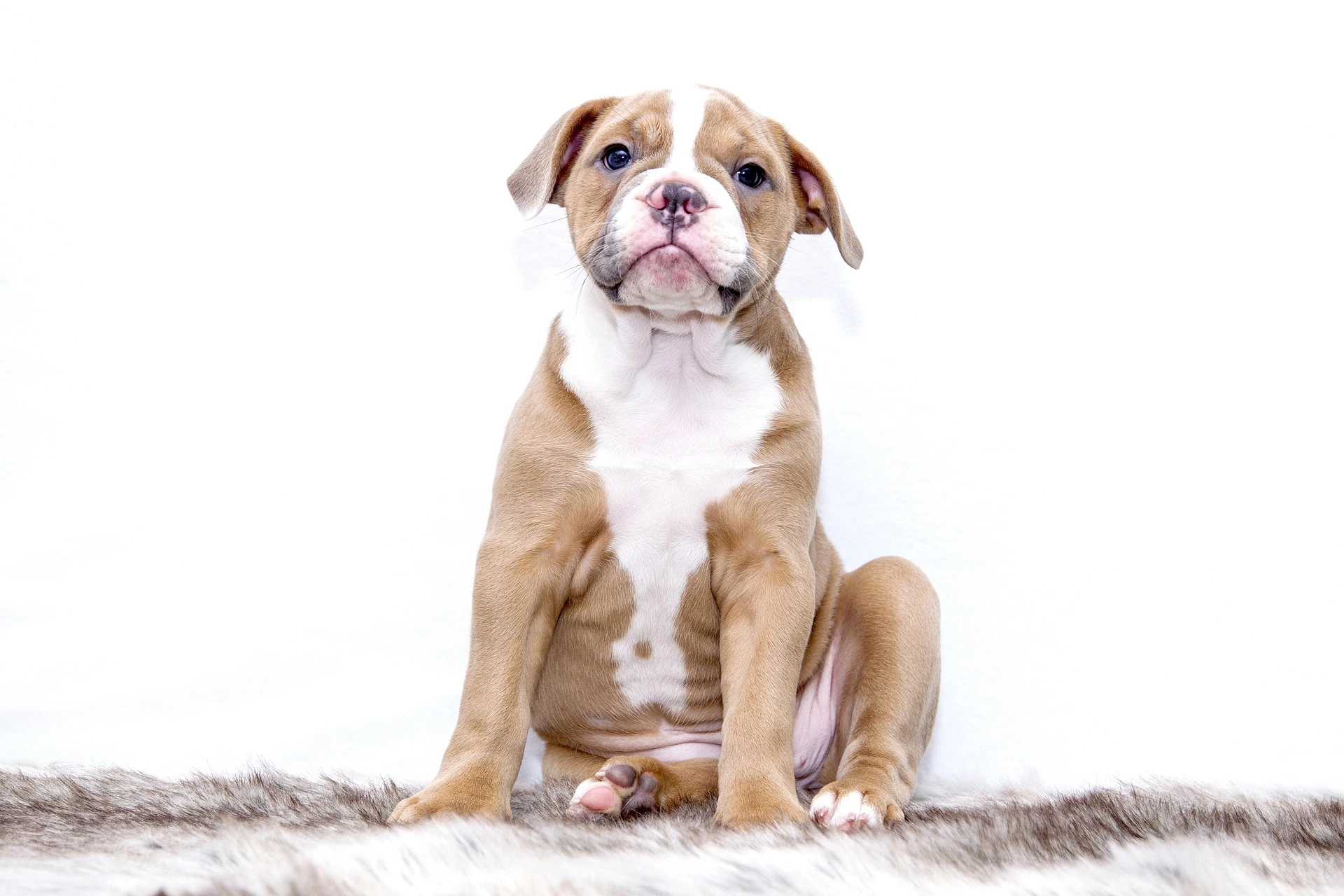

Bringing home a new puppy is exciting, but it can also come with a few sleepless nights and chewed-up shoes. At Ridgeview Animal Hospital, your Olathe, KS animal hospital, we often guide families through puppy crate training. This helps set the stage for calmness and security. When introduced properly, a crate becomes a safe space your pup loves, not a punishment.
Many families ask us for crate training tips because they’ve heard mixed opinions. The truth is, crate training is one of the most effective puppy training Olathe families can rely on, when it’s done with patience and consistency. By building positive associations, you help your puppy learn that the crate is their den, a place where they can relax, nap, and feel protected.
Why Crate Training Matters
Puppies explore the world with their mouths, paws, and boundless curiosity. A crate keeps them safe from household hazards when you can’t supervise. It also supports house training, prevents destructive behavior, and gives your pup a predictable routine. Over time, calm puppy crate habits create lifelong confidence and comfort.
Crates are also incredibly useful for travel, vet visits, and emergencies. Teaching your puppy to settle happily in their crate early on makes these situations far less stressful.
PetMD has a good article on crate training puppies, which you can read here. The San Francisco Society For The Prevention Of Cruelty To Animals (SFSPCA) has an article on crate training older dogs here.
Choosing the Right Crate
One of the first steps in puppy crate training is selecting the right crate. It should be large enough for your pup to stand, turn around, and lie down comfortably, but not so big that they can eliminate in one corner and sleep in another.
Types of crates include:
- Wire crates for ventilation and visibility
- Plastic crates for travel and cozier environments
- Soft-sided crates for lightweight portability (best for calm, crate-trained dogs)
We recommend starting with a sturdy crate that fits your growing pup’s size and temperament. Keep in mind that you’ll want to shop for your pet’s estimated adult size. Otherwise, you’ll be replacing the crate in a few short months.
Step-by-Step Crate Training Tips
Crate training works best when introduced gradually and positively. Here’s how to build calm puppy crate habits:
- Introduce the crate slowly: Place it in a family area with the door open. Let your pup explore without pressure.
- Make it inviting: Add a soft bed or blanket and toss in a few treats or toys.
- Use food as encouragement: Feed meals inside the crate so your puppy associates it with something positive.
- Practice short stays: Begin with a few minutes while you’re nearby, then gradually increase time and distance.
- Never use the crate as punishment: The goal is for your pup to view the crate as their safe space, not a time-out zone.
- Reward calm behavior: Praise and treats when your puppy enters or settles help reinforce good habits.
With patience, most pups learn to love their crate within a few weeks.
Common Crate Training Challenges
Even with the best intentions, puppies may resist at first. Here’s how to troubleshoot:
- Whining in the crate: Ensure it’s not a bathroom need. If your pup is just protesting, wait for a calm moment before letting them out to avoid reinforcing whining.
- Chewing or pawing at the crate: Provide safe chew toys to keep them occupied.
- Anxiety or panic: Go back a step. Shorter sessions with more rewards may help your puppy feel safe again.
- Nighttime restlessness: Keep the crate near your bed at first so your pup feels secure.
Our Olathe veterinary team can also advise on training techniques if challenges persist.
How Long Can Puppies Stay in the Crate?
Puppies have small bladders and limited control. A good rule of thumb is:
- Up to 10 weeks old: 1 hour
- 11–14 weeks: 2–3 hours
- 15–16 weeks: 3–4 hours
- Over 6 months: Up to 4–6 hours
Crates are not a substitute for exercise, play, or bonding time. They’re most effective as part of a balanced daily routine. This is best addressed during that crucial and adorable first year. Of course, there’s a lot of puppy parenting to be done during that cute toddler stage. Click here for another puppy care blog: this one is on chewing.
Daily Schedule for Crate Training
Consistency helps puppies thrive. A sample day might look like this:
- Morning: Potty break → breakfast in the crate → short rest
- Mid-morning: Playtime outside the crate → potty break → short crate session
- Afternoon: Walk or play → lunch → supervised crate nap
- Evening: Play and training session → dinner in the crate → calm downtime
- Bedtime: Final potty break → sleep in the crate near family
Following a predictable schedule teaches your pup when to expect play, rest, and potty time, reducing anxiety.
Benefits of Crate Training for Families
Puppy crate training does more than keep your pup safe. It also:
- Supports potty training by encouraging bladder control
- Reduces destructive chewing while you’re away
- Helps with travel safety in cars or planes
- Creates a calm retreat during loud events like thunderstorms or holidays
- Strengthens your puppy’s confidence by providing a secure den-like space
With consistency, crates become a positive addition to your dog’s daily routine.
Enrichment and Comfort in the Crate
To help your puppy settle happily, focus on enrichment and comfort:
- Rotate chew toys to prevent boredom
- Use puzzle feeders to keep your pup mentally engaged
- Play calming music during crate time to soothe nervous pups
- Add a familiar blanket or shirt with your scent for reassurance
These small touches help transform the crate from a simple space into a cozy den.
Frequently Asked Questions
Is crate training safe for puppies?
Yes. When introduced positively, crates provide safety and comfort for growing pups.
How long does crate training take?
Most puppies adjust within a few weeks, but consistency and patience are key.
Should I cover the crate at night?
Many puppies feel calmer with a crate cover, but ensure it allows ventilation and visibility.
Can I crate my puppy while I’m at work?
Not for extended hours. Puppies need frequent potty breaks, exercise, and social time. Arrange for breaks if you’re gone long.
Will my puppy ever outgrow crate use?
Some dogs eventually prefer open beds, but many enjoy their crate throughout life as a safe, cozy spot.
How can I stop my puppy from whining in the crate?
Ignore attention-seeking whining and reward quiet moments. Always check that potty or comfort needs are met first. Also, don’t leave your pet crated too long.
Can crate training help with separation anxiety?
Yes, when introduced properly. The crate can provide security, but it must be paired with gradual desensitization.
What size crate should I buy?
Choose one that allows your puppy to stand, turn, and lie comfortably. Use dividers if buying a crate your pup can grow into.
Should food and water be kept in the crate?
Food is often used for training sessions, but water bowls can spill. A mounted water dispenser may work for longer crate times.
Can crate training work for older dogs too?
Absolutely. While it may take longer, even adult dogs can learn to view the crate as a safe, positive space.
Visit Our Olathe Veterinary Clinic for Puppy Training Support
Starting your puppy off with crate training sets the stage for lifelong calmness and good behavior. At Ridgeview Animal Hospital, your Olathe, KS animal hospital, we provide crate training tips and personalized puppy training advice. Are you looking for a reliable veterinary clinic in Olathe? Instead of searching for a vet near me, call us today to schedule a wellness visit and set your puppy up for success.
Click here to go to our Services page and learn more about our clinic and the pets we treat. You may also want to learn more about our Holistic Medicine options, which you can do here.
This blog is intended for informational purposes only. Always consult with your veterinarian for accurate medical advice, training guidance, or care tailored to your pet.