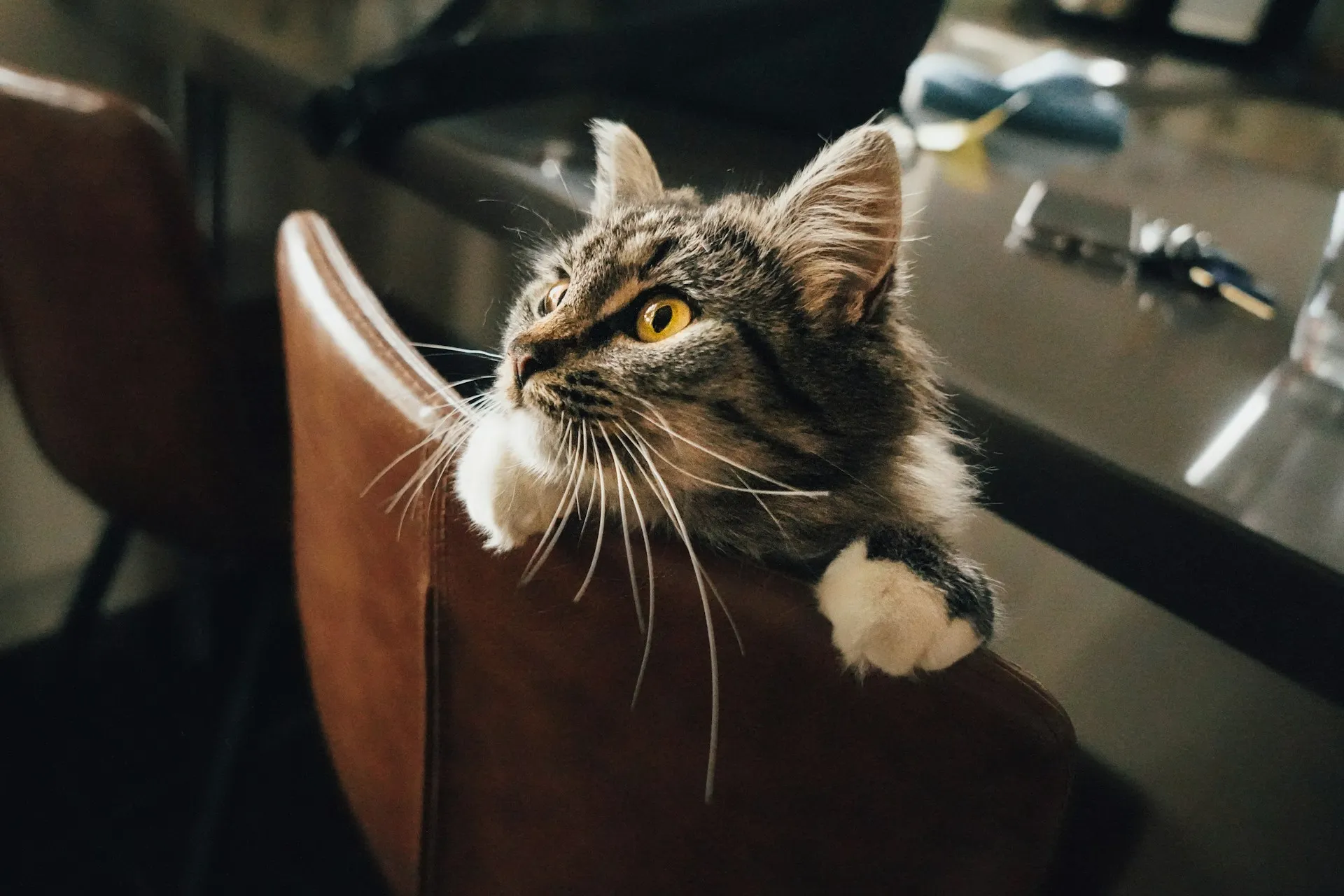

Does your feline pal tear through the house at top speed just as you’re trying to fall asleep? At Ridgeview Animal Hospital, your Lenexa, KS vet clinic, we frequently hear questions about cat zoomies. While this sudden burst of energy may seem mysterious, it’s actually a natural feline behavior with deep roots in instinct and biology.
Understanding why cats run at night and what zoomies mean for their health and well-being can help you manage the behavior and even make it less disruptive. By learning more about feline zoomies, you’ll gain insight into your kitty’s needs and habits.
What Are Cat Nighttime Zoomies?
“Zoomies” is the semi-official nickname for frenetic random activity periods (FRAPs), when cats sprint, leap, and play with intense bursts of energy. Cat nighttime zoomies often occur when the house is quiet, lights are low, and your kitty suddenly feels the need to unleash pent-up energy.
These episodes usually involve:
- Rapid sprints from room to room
- Sudden jumps onto furniture
- Wide eyes and puffed tails
- Pouncing on toys—or invisible “targets”
While it may seem like chaos, zoomies are a healthy, natural expression of feline behavior. They’re also pretty amusing!
Why Cats Run at Night
Cats are crepuscular, meaning they are most active at dawn and dusk. But many domestic cats also show strong nighttime activity. Reasons include:
- Instinctive hunting patterns: Cats evolved to hunt small prey at night.
- Pent-up energy: Indoor cats may not burn enough energy during the day.
- Play drive: Nighttime is often when cats feel playful and curious.
- Attention-seeking: Some cats learn that running around at night gets a reaction from you.
- Stress or anxiety: Restless energy may come from changes in the environment or routine.
By identifying the cause of cat nighttime zoomies, you can better manage and even prevent disruptive behaviors.
Is Nighttime Zooming Normal?
Yes. Cat nighttime zoomies are usually harmless and a normal expression of energy. In fact, they indicate that your kitty feels safe and comfortable enough to play. However, sudden changes in zoomie frequency, or zoomies paired with distress behaviors, may warrant a veterinary checkup.
Managing Cat Nighttime Zoomies
While zoomies are normal, they can disrupt sleep or cause mischief around the house. We recommend these strategies for managing cat nighttime behavior explained:
- Increase playtime during the day: Make it a habit to entertain your pet with interactive play sessions with wand toys or lasers to burn energy.
- Provide enrichment: Puzzle feeders, climbing trees, and scratching posts give your feline pal outlets for activity.
- Establish a bedtime routine: Play with your cat before bed, then offer a small meal to encourage restful sleep.
- Avoid reinforcing zoomies: Try not to chase or scold your cat, as this may increase excitement.
- Create safe play zones: Give your kitty designated areas to zoom without knocking over valuables.
Consistency is key. Over time, most cats adjust their energy levels when their needs are met earlier in the day.
Nighttime Zoomies vs. Behavioral Concerns
Zoomies are usually normal, but certain signs may indicate something more:
- Persistent restlessness despite adequate play
- Destructive behavior that damages furniture or belongings
- Aggression toward people or pets during zoomies
- Increased vocalization or distress at night
These signs may reflect underlying stress, anxiety, or medical issues. We can help determine whether your kitty’s nighttime behavior is normal or needs attention.
How to Provide Enrichment for Cats
Since zoomies often stem from pent-up energy, enrichment plays a vital role in prevention. Ideas include:
- Climbing spaces: Cat trees, shelves, and window perches allow natural climbing behavior.
- Interactive toys: Feather wands, laser pointers, and motorized toys mimic prey.
- Hiding treats: Encourage foraging instincts with puzzle feeders or treat hunts.
- Play rotation: Keep toys fresh by rotating them every few days.
- Birdwatching setups: Window perches near feeders provide hours of entertainment.
Enrichment helps your feline overlord feel mentally and physically fulfilled, making nighttime rest more likely.
Your kitty also needs a good scratching post or tower. You can read our blog about teaching Fluffy better scratching habits here. Chewy did an article on why cats scratch, which you can read here. Humane World for animals also has a post on scratching in kitties. Click here for that one.
Sleep-Friendly Adjustments
For households where zoomies interrupt sleep, small adjustments can make a difference:
- Close bedroom doors if your cat becomes too disruptive.
- Provide a cozy bed in another room with toys nearby.
- Use calming pheromone diffusers to create a relaxed environment.
- Ensure feeding schedules align with bedtime to encourage post-meal rest.
These steps encourage calmness and prevent your kitty from seeking play at 2 a.m.
Frequently Asked Questions
Why does my cat get zoomies at night?
Cats are naturally more active at night. Zoomies often release pent-up energy or reflect playful instincts.
Are zoomies a sign of illness?
Usually no, but if zoomies are sudden, frequent, or paired with distress, a veterinary checkup is advised.
How can I stop my cat from zooming at night?
Increase play and enrichment during the day, provide evening meals, and create bedtime routines.
Do older cats get zoomies too?
Yes, though less often. Senior cats may still zoom when playful or stimulated.
Can zoomies be linked to stress?
Yes. Cats experiencing anxiety may display restless zooming. Identifying triggers is important.
Will adopting another cat stop zoomies?
Not always. While companionship helps some cats, others may become more active with a playmate.
Should I discipline my cat for zooming?
No. Zoomies are natural. Discipline may create stress without reducing the behavior.
How long do zoomies last?
Most zoomie episodes last just a few minutes, though they may occur multiple times per week.
Is it safe to let my cat zoom around?
Yes, as long as the environment is safe. Remove breakables or provide safe play areas.
Do zoomies mean my cat isn’t getting enough exercise?
Often, yes. More daytime play and stimulation usually reduce nighttime bursts of energy.
Visit Our Lenexa Veterinary Clinic for Cat Behavior Support
Nighttime zoomies may be disruptive, but they’re usually just part of your kitty’s natural instincts. At Ridgeview Animal Hospital, your Lenexa, KS vet clinic, we can explain cat nighttime behavior, recommend enrichment, and help you keep your feline pal healthy and happy. Are you searching for a veterinary clinic in Lenexa for feline behavior advice? Instead of searching for a vet near me, call us today to schedule a wellness exam and learn more about why cats run at night.
Click here to go to our Services page and learn more about our clinic and the pets we treat. You may also want to learn more about our Holistic Medicine options, which you can do here.
This blog is intended for informational purposes only. Always consult with your veterinarian for accurate medical advice, diagnosis, or treatment for your pet.